


In Parkinson’s disease, patients lose nerve cells in the brain that produce dopamine which leads to symptoms such as slowness of movement, stiffness, gait disturbance and tremor. The current treatments are medications that replace the lost dopamine, but over time these medications often become less effective and cause side effects.
Reaching this primary endpoint and being able to show that the cell product is safe is a great achievement
The therapy tested in the current trial aims to replace the cells that produce dopamine through transplantation of a stem cell-based dopamine nerve cell product to the brain, and the goal is that after being transplanted, they will mature into new dopamine-producing nerve cells in the brain.
“The possibility of replacing dopamine neurons that are lost in Parkinson’s disease has been a long-standing goal in the field,” said Malin Parmar, Professor of Cellular Neuroscience at Lund University, Sweden, and lead of the STEM-PD program. “The findings represent an important milestone for regenerative medicine approaches in Parkinson’s disease and support continued clinical development of stem cell-based therapies.”
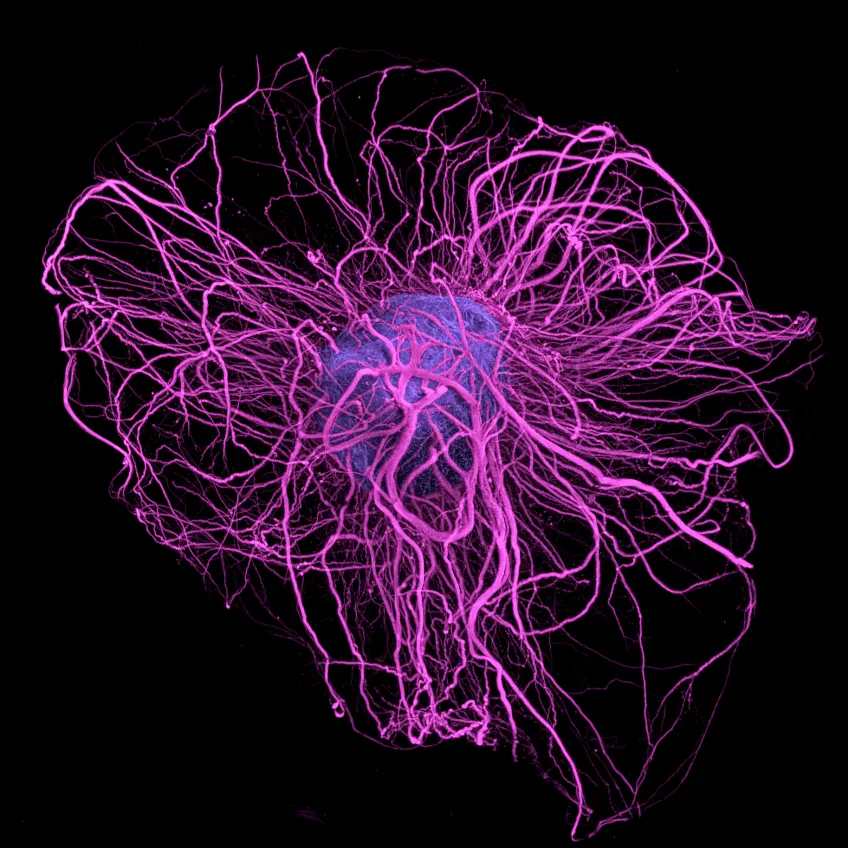
Eight individuals with Parkinson’s disease received the transplanted cell product at two different doses, followed by 12 months of immunosuppression to prevent graft rejection. Seven participants completed 12-month follow-up; one participant died from a pulmonary infection that was not directly related to the cell product. The surgical procedure was generally well tolerated and no graft-induced involuntary movements were observed in the transplanted participants. Clinically, patients remained stable. Imaging using dopamine PET scans provided early indications of graft survival at both 6 and 12 months post-transplantation. Six of the seven participants substantially reduced their dopaminergic medication, a result that will be evaluated over time.
“This represents an exciting new departure on repairing the brain of individuals with Parkinson’s using dopamine cells- an approach pioneered in Lund some 40 years ago using fetal dopamine cells. The STEM-PD trial harnessing the expertise of scientists and clinicians from Lund and Cambridge has enabled us to undertake and deliver on one of the first ever stem cell-derived dopamine cell therapies for patients with Parkinson’s and we hope this will be the beginning of an exciting new programme that may ultimately benefit the wider Parkinson’s community” says Roger Barker, clinical lead of STEM-PD, Professor of Clinical Neuroscience at the University of Cambridge, and clinical PI at the UK site.
The STEM-PD research team will now continue the long-term follow-up of the participants to further evaluate safety, graft function, and clinical benefit.
“Reaching this primary endpoint and being able to show that the cell product is safe is a great achievement for this trial, our team, the participating patients but also for all patients suffering from Parkinson’s disease. We are hopeful that the early signs of cell survival and clinical improvement we observe will continue to increase over the time and excited to continue the development of this cell therapy”, says Gesine Paul-Visse, Professor in Neuropsychiatric Research at Lund University and Lead PI at Skåne University Hospital, the Swedish clinical site where all patients were treated.
STEM-PD builds on decades of research in dopamine cell replacement therapy for Parkinson’s Disease at Lund University and pioneering work in translation of pluripotent stem cell technology from experimental studies into clinical evaluation. The therapy consists of dopaminergic neuron progenitors derived from human embryonic stem cells that mature into dopamine-producing neurons following transplantation into the brain. The STEM-PD trial is the first pluripotent stem cell trial approved in Sweden and the first for Parkinson’s Disease in Europe.
“The initiation and execution of this clinical trial have only been possible through close collaboration between scientists, clinicians, GMP manufacturing teams, regulatory experts and, most importantly, the participating patients,” concludes Malin Parmar.
Text: The Faculty of Medicine, Lund University
Photo: Gunnar Gunnarsson